Search Results
Search Results
Title Results
Your search returned 861 Titles
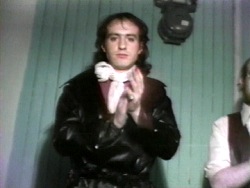
For Example Decorated is an art world talk show featuring Britta Le Va, Peter Gordon and James Sarkis. The participants converse about art while building structures from Lego blocks.
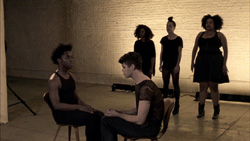
For how we perceived a life (Take 3) debuted at the New Museum in 2012, emerging out of Wu Tsang’s “full body quotation” practice, a series of choreographed performances in which collaborators are fed pre-existing lines from an ear piece. In this edition, the performers begin huddled together ...
The landmark documentary Four More Years is an iconoclastic view of the American electoral process, captured through TVTV's irreverent, candid coverage of Richard Nixon's 1972 presidential campaign and the Republican Convention in Miami. Using lightweight 1/2-inch portable video equipment, the...
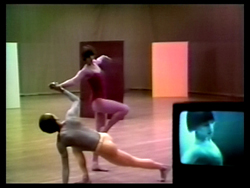
In Fractions I, four video monitors share the screen space with the dancers. Throughout the performance, these monitors show close-ups of the performers in the dance space, as well as images of those moving outside of the space.The performance suggests tension between what is seen and what is left unseen, and in turn, between different parts and their whole.
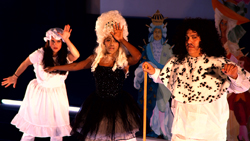
In Antin's 1979 performance extravaganza Before the Revolution, her persona Eleanora Antinova, an imaginary black ballerina in Diaghilev's Ballet Russe, performs as White Queen, Marie Antoinette, while quarreling with the great impressario about racial profiling and the promise of modernism. In revival performances at the Hammer Museum in 2013, live actors joined the original cast of life-scale puppets to perform this allegorical tragic-comedy, creating a kaleidoscopic world of shifting selves and ambiguous realities, with ballerinas, kings, lambs, maids, madmen and revolutionaries. Re-invented and transformed into a film, live actors and puppets move through a ruined landscape of narrative fragments of psychological and political oppression, a musical, poetic and dramatic interplay of continuities and interruptions, the dark chaotic music of modern life.
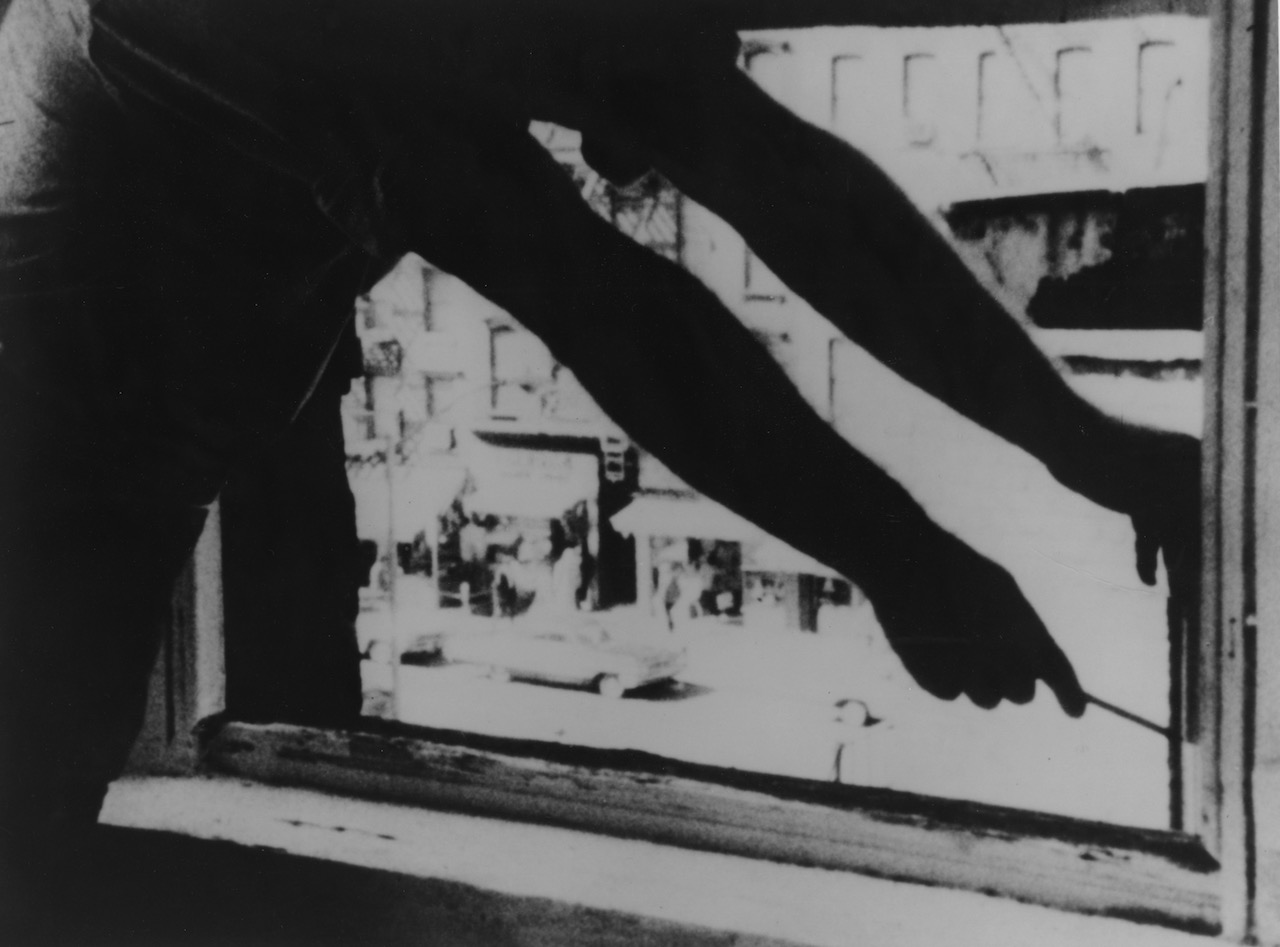
In Frame, four sets of measurements are made with a six-inch ruler. In the first, the rectangle of the camera is placed at an angle, and the trapezoid measured and perceived untrue from the camera viewpoint. In the second, the camera is placed at an angle, and the trapezoid measured is perceived...
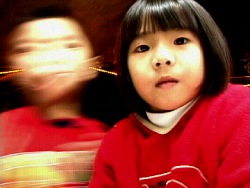
Santos bases his self-described "video letter from Hong Kong" on the ambiguity of the word "frame." He refers to the picture or camera frame, as well as to the variable frame rate of digitally manipulated video, and, finally, to the act of framing as a process by which one names, describes, and...
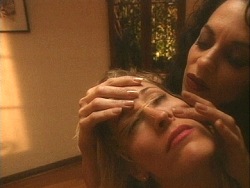
Artists McCarthy and Kelley re-stage classic 1970s performance pieces by Vito Acconci, with a decidedly ironic Southern California sensibility. States McCarthy: "[The piece] is a reference to art now, to a resurgence of the 1970s and an interest in youth in the art world. There are also...
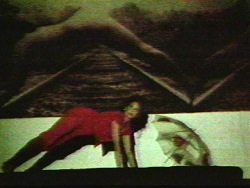
Vulvic puns, jokes and ruminations on the meanings of menstrual blood activate a range of taboos surrounding cultural notions of the feminine as a metaphoric battle ground of the body and of language itself. Schneemann, naked and in red pajamas, merged her physical movements within a continuous...