Search Results
Search Results
Title Results
Your search returned 870 Titles
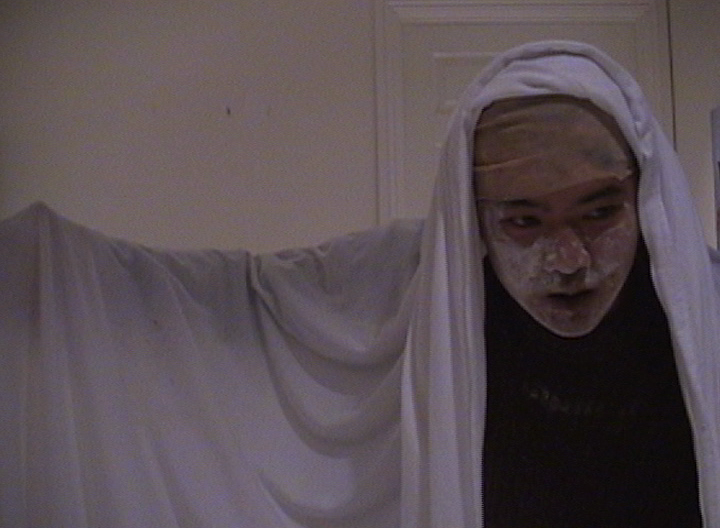
As recounted by the camera, lighting, and sound engineer, Nathan Frank: "After experiencing a particularly painful alternative theater performance earlier in the day, Trevor was inspired to exorcise his own suffering. The performance, removed from the context of the theater, transported to a gloomy basement, and combined with a fair amount of cheap vodka, removes the pretense of experimental theater and replaces it with an undeniably palpable feeling of sad, dirty, desperation."
Suite 212
Nam June Paik. In collaboration with Douglas Davis, Jud Yalkut, and Shigeko Kubota.
1975, re-edited 1977, 30:23 min, color, sound
Suite 212 is Paik's "personal New York sketchbook," an electronic collage that presents multiple perspectives of New York's media landscape as a fragmented tour of the city. Opening with the 1972 work The Selling of New York, a series of short segments designed for WNET's late-night television...
Robert Buck writes: "Opening with an excerpt from Rainer Maria Rilke’s 'The Second Elegy' and set to Sade’s 'Kiss of Life,' the works manifestly romantic content is inseparable from the 8mm film on which it was shot. Again in my art, material precipitates meaning, and the semblant quality of the work and the idyll it captures can be felt."
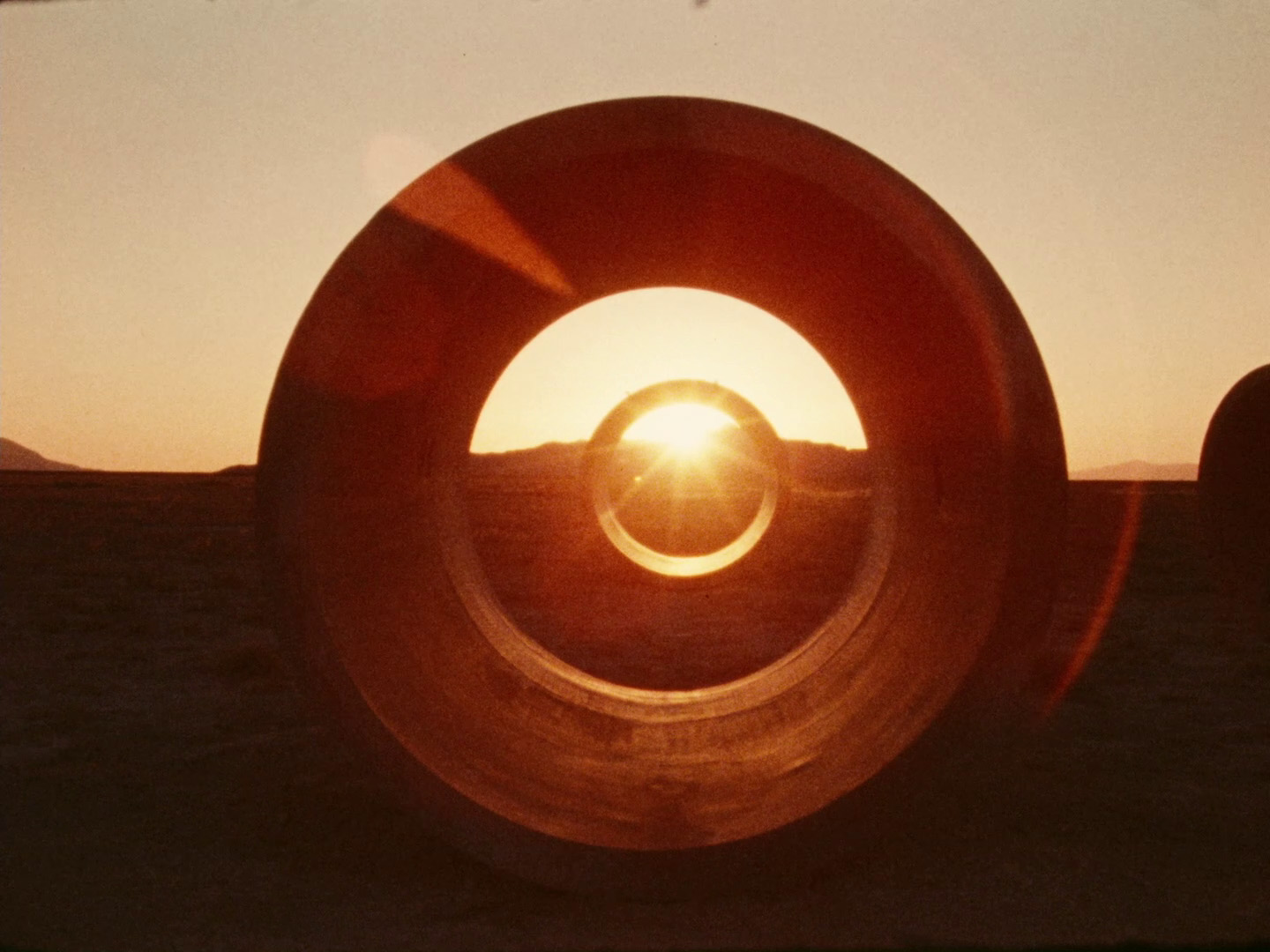
Sun Tunnels documents the making of Holt's major site-specific sculptural work in the northwest Utah desert. Completed in 1976, the sculpture features a configuration of four large concrete tubes or "tunnels" that are positioned to align with the sunrise and sunset of the summer and winter solstices. With stunning footage of the changing sun and light as framed by the tubes, Sun Tunnels calls attention to human scale and perception within the vast desert landscape.
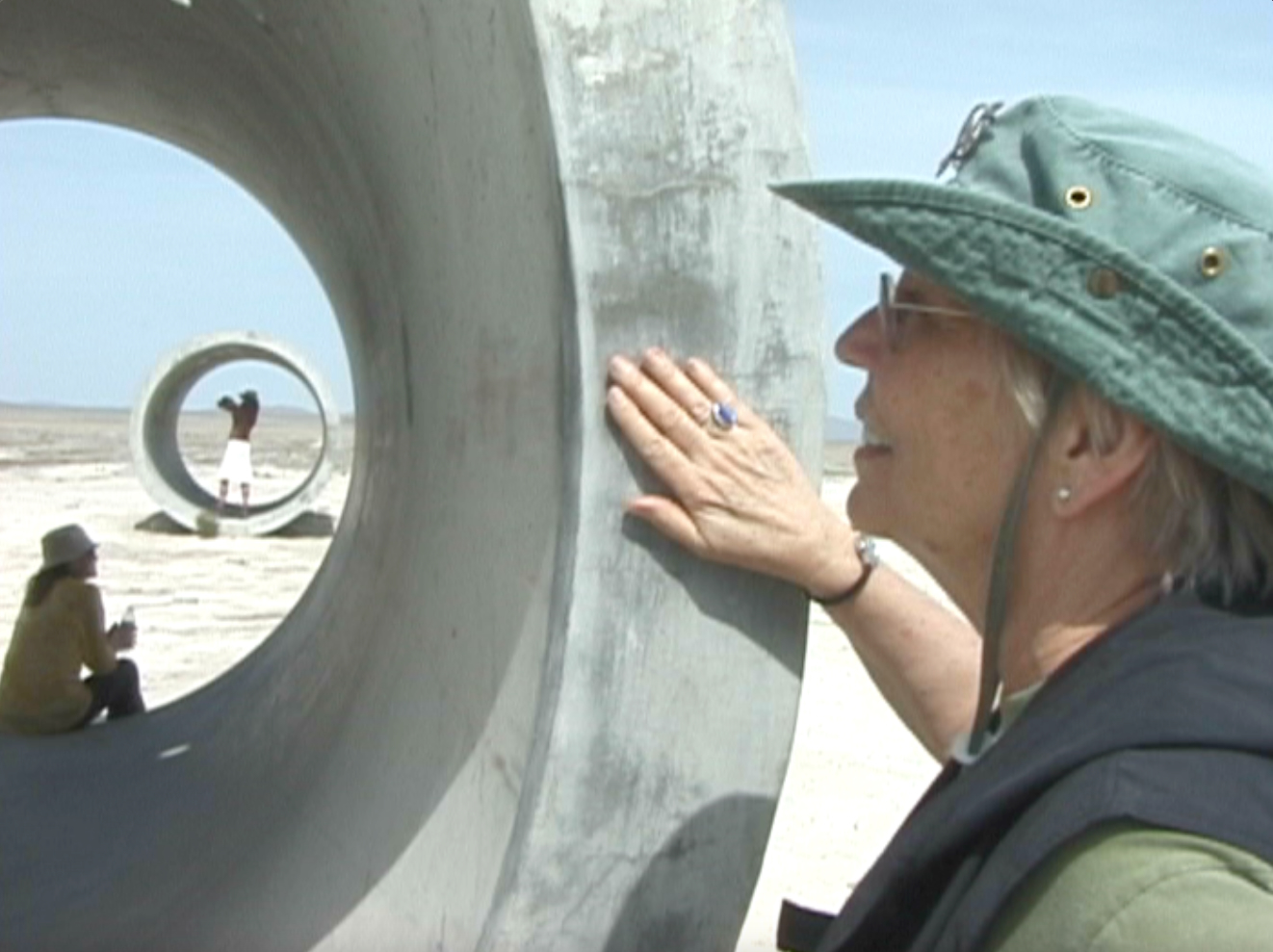
Phyllis Baldino’s Sun Tunnels: May 19, 2007 is an intimate, unscripted document of artist Nancy Holt’s return to her earthwork Sun Tunnels (1973–76) in the Great Basin Desert of northwestern Utah, made on a trip organized by art historian Alena J. Williams while she was writing Sightlines, her...

Sunstone is a landmark tape. Symbolic and poetic, it is a pivotal work in the development of an electronic language to articulate three-dimensional space. The opening image is an iconic face, which appears to be electronically "carved" from stone. A mystical third eye, brilliantly crafted from a...

"Superdyke gives the superhero a witty dyke inflection. It runs from mellow nature-loving to savvy urban pop, showing the thematic range of its author and the multiplicity of lesbian experience." — Juan Antonio Suarez
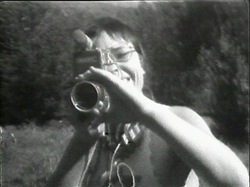
Winner of the Louise Riskin Prize at the 1976 San Francisco Art Festival, Superdyke Meets Madame X documents the Barbara Hammer’s relationship with Max Almy on a reel-to-reel ¾” videotape recorder and microphone. This was Hammer’s first foray into recording with the Sony Portapak and was produced as part of a skill swap with Almy.
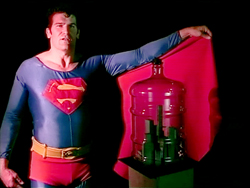
Superman Recites Selections from 'The Bell Jar' and Other Works by Sylvia Plath
Mike Kelley
1999, 7:19 min, color, sound
Kelley writes: "In a dark no-place evocative of Superman's own psychic 'Fortress of Solitude' the alienated Man of Steel recites those sections of Plath's writings that utilize the image of the bell jar. Superman directs these lines to Kandor, the bell jar city that represents his own traumatic past, for he is the only surviving member of a planet that has been destroyed."
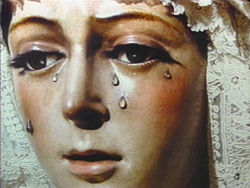
Writes Torres: "Shot entirely in Seville, Sur del Sur investigates the history of one of the few cities in Spain where one can actually perceive all the layers of its history in a synchronic way. Challenging the perception of a linearly developing history, this piece explores the coexistence of...