Artists
Artists

Ilana Harris-Babou is a multimedia artist whose video works are an important component of a practice that includes sculpture and object making, performance, and installation. In her projects, Harris-Babou mines the aesthetics of YouTube tutorials, home improvement and cooking shows, and corporate ad campaigns to call attention to how personal and social identities are constructed—and co-opted—by dominant ideologies.

Frank Heath was born in 1982 in St. Joseph, Missouri. He has exhibited his work in solo shows at the Simone Subal Gallery, New York and collaboratively at the Swiss Institute, New York; Young World, Detroit; Simone Subal Gallery, New York; Art Basel Statements, Basel; and the Videotage Gallery, Hong Kong. His work has exhibited in group shows and screenings at venues including the Kitchen, New York; International Film Festival Rotterdam, the Power Plant, Toronto; Centre Pompidou, Paris, and the High Line, New York. Heath currently lives and works in New York City.

Since the 1960s, Lynn Hershman Leeson has worked prolifically across media to reveal and intervene on the technological infrastructures of our social world. Using sculpture, film, video, installation, performance, drawing, painting, net art, and experiments with interactive technologies like CCTV and online interfaces, Hershman Leeson repurposes the content and form of mainstream media to provocatively investigate identity, surveillance, and the role of media subcultures in resisting censorship and political oppression. Hershman Leeson has been at the forefront of artistic technological experimentation since her earliest works, incorporating touch screen technology as early as the 1980s, artificially intelligent voice recognition in the early 2000s, and biotechnology throughout the 2010s.
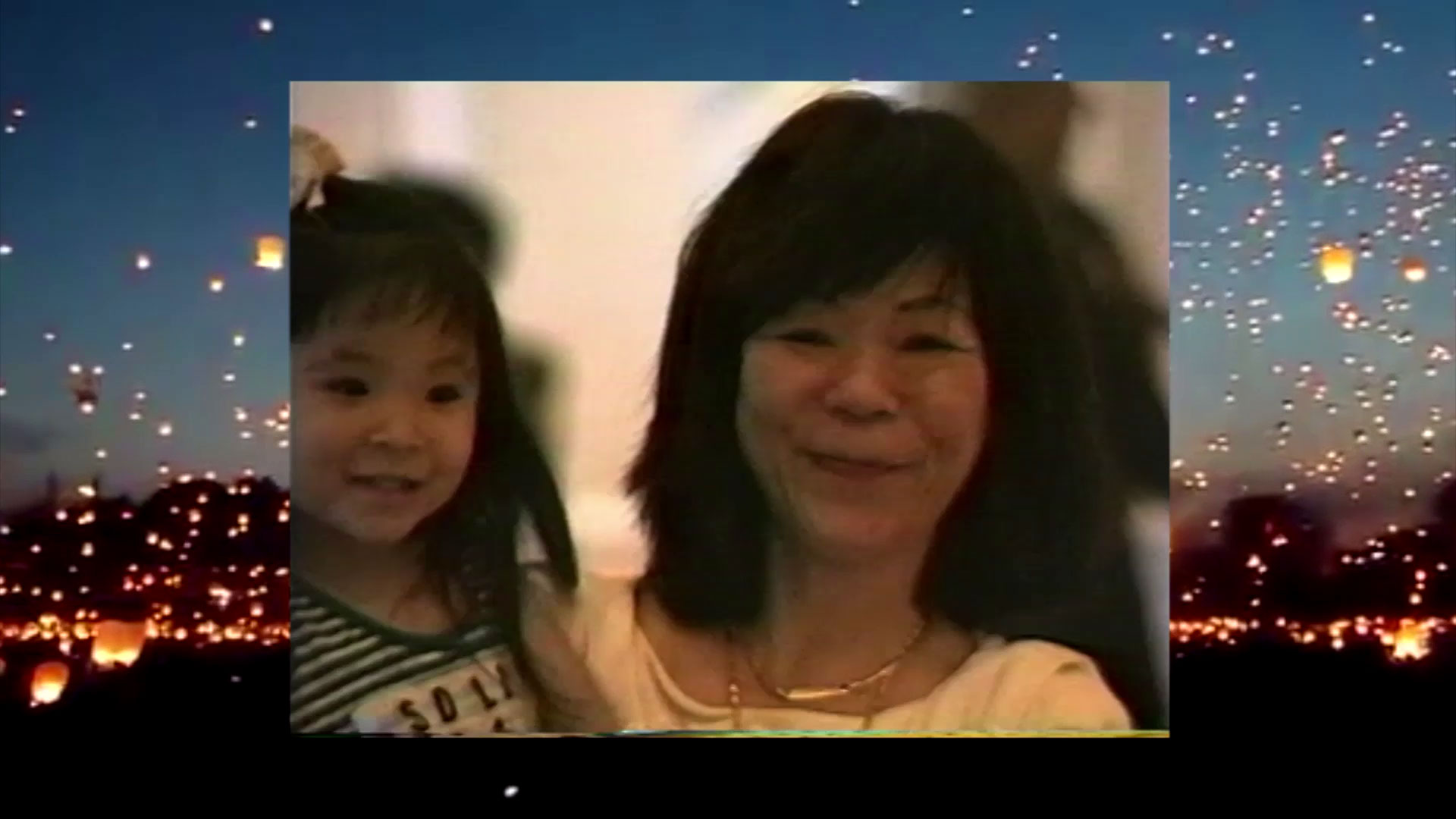
Maggie Lee’s work has taken shape in a wide array of forms including sculpture, installation, photography, zine-making, blogging and moving image. Her videos often oscillate between the personal and the pop-cultural, blending diaristic self-documentation with collaged found sound and image. Lee’s work probes the emotional undercurrents and personal resonances of contemporary culture: memories of the artist’s early years in suburban New Jersey, candid scenes from New York City nightlife, and totem-like odes to the assorted mass-produced ephemera that adorns daily life.

Richard Serra is an American artist known for his large-scale sculptures made for site-specific landscape, urban, and architectural settings. From 1968 to 1979, Serra made a collection of films and videos, collaborating with Joan Jonas, Nancy Holt, Robert Fiore, and Carlota Fay Schoolman. Although he began working with sculpture and film at the same time, Serra did not extend sculptural problems into his films and videos, recognizing instead the different material capacities of each.
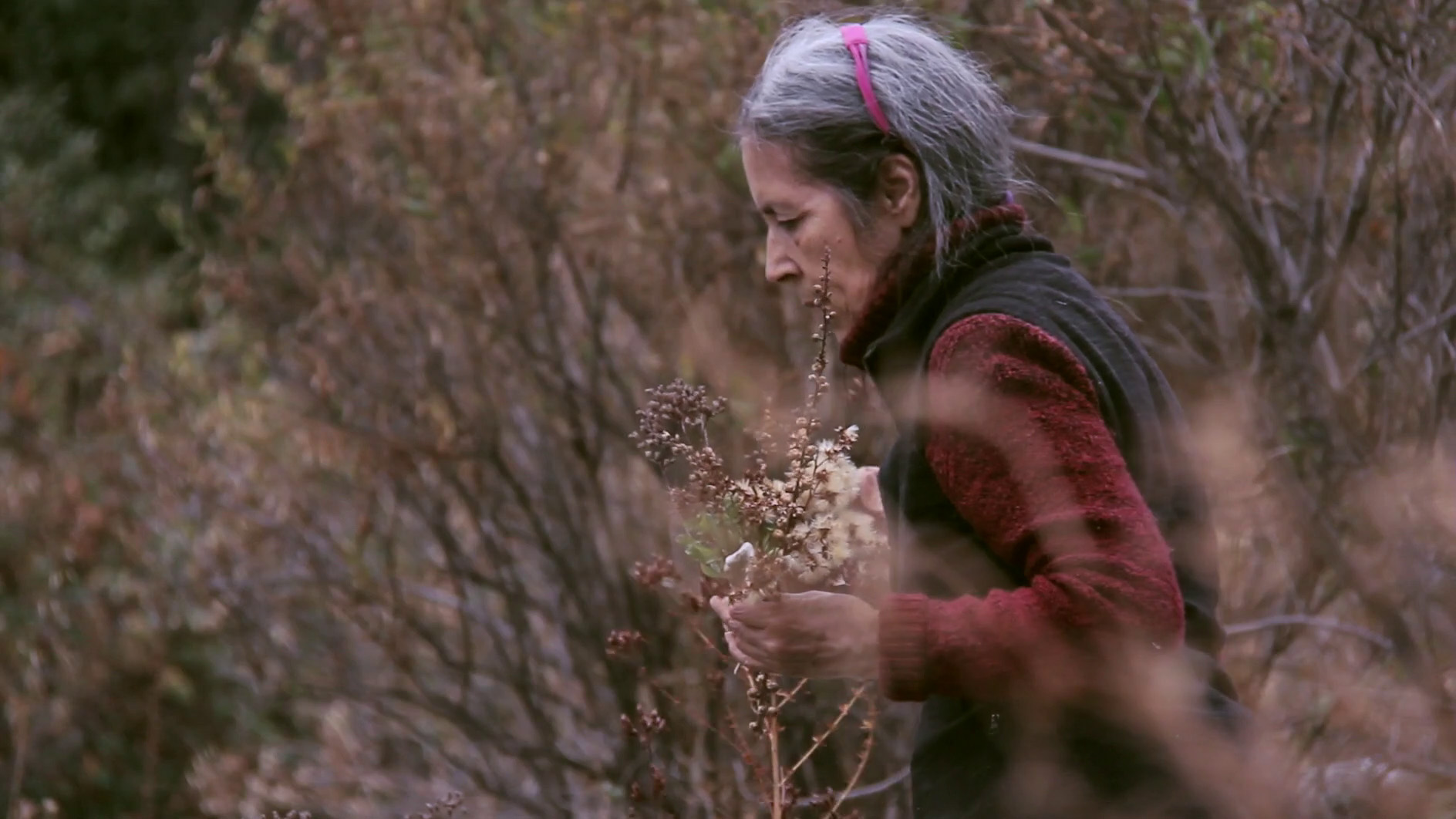
Cecilia Vicuña is a poet, performer, and sound and visual artist, who coined the concept of arte precario (or “precarious art”) in the 1960s in response to pressing concerns of the modern world, including ecological destruction, human rights, and cultural homogenization. Born and raised in Santiago, she was exiled during the early 1970s after the violent military coup against President Salvador Allende. This sense of impermanence, and a desire to preserve and pay tribute to the indigenous history and culture of Chile, especially the Quipu (an Andean writing system or “knot-record” fashioned from string), have characterized her work throughout her career.

An interdisciplinary artist working within the fields of video, sculpture, and performance, Jake Brush wryly satirizes and celebrates the excesses of American culture and media. Born in 1994 on Long Island, Brush became quickly attuned to the quirks and eccentricities of the area; many of his childhood experiences would later go on to inform his work. Brush graduated from SUNY Purchase in 2016 where he studied Film, New Media, and Visual Art. While at Purchase, Brush studied with Michael Bell-Smith, who shares Brush’s interest in intertextual, witty media remixing and internet culture.