Search Results
Search Results
Title Results
Your search returned 885 Titles
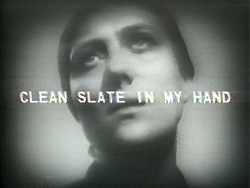
Through an innovative juxtaposition of text and appropriated archival footage, Cokes deconstructs the male gaze in cinema and moving image culture. The imaging/reimaging of Joan Crawford, Marilyn Monroe, and Joan of Arc serve as models of this fragile construction, while a scathing commentary of...
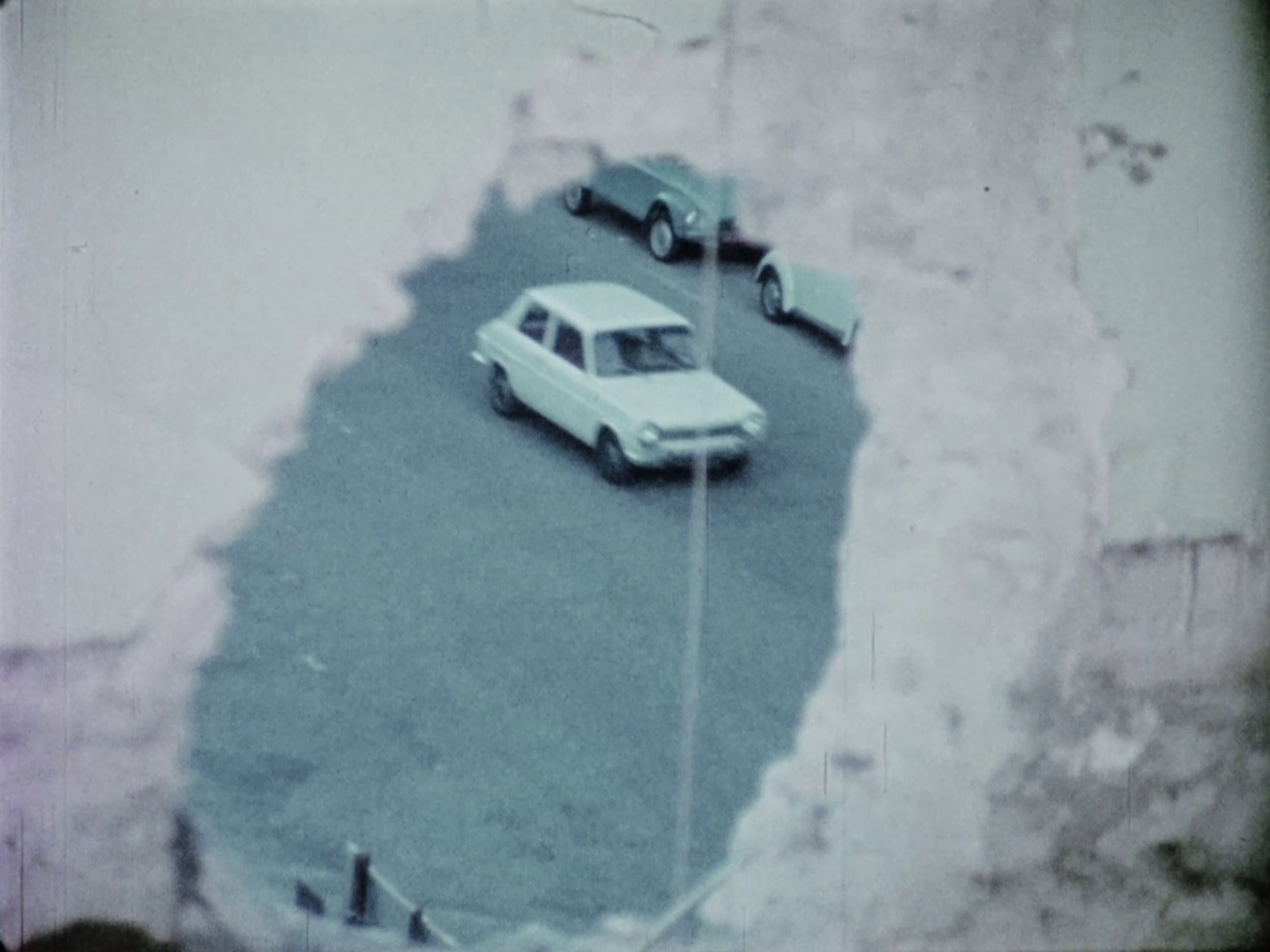
For the Paris Biennale in 1975, Matta-Clark made a major cut in two houses adjacent to the Centre Georges Pompidou in Les Halles. The cut, shaped like a twisted cone, was inspired by Anthony McCall's film Line Describing a Cone.
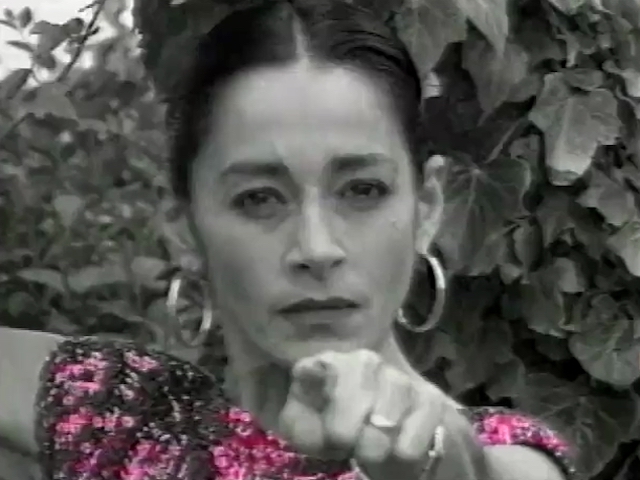
This piece recreates the final moments of Cuban-born artist Ana Mendieta, echoing the style of 1951 film Rashomon. Using interviews, trial transcripts, and performance, the video explores the discrepancies surrounding Mendieta’s untimely death, the subsequent murder trial, the sexual politics of...
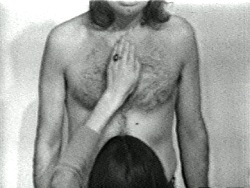
Contacts is one of a series of tapes in which Acconci creates a controlled performance situation to explore the limits of a private space. Applying intense mental concentration and intuition, he uses the body as a vehicle to explore perception and interactive communication.
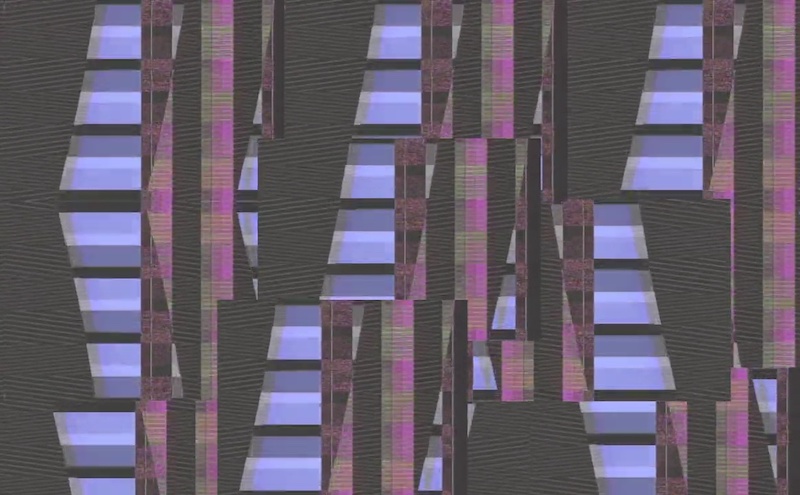
Contour Ploughing refers to the farming practice of plowing or planting perpendicular lines across a slope, following its contours to minimize erosion. From afar these ruts coalesce to form sprawling topographical designs across landscape, echoed in the computational patterns constituting LoVid’s composition.
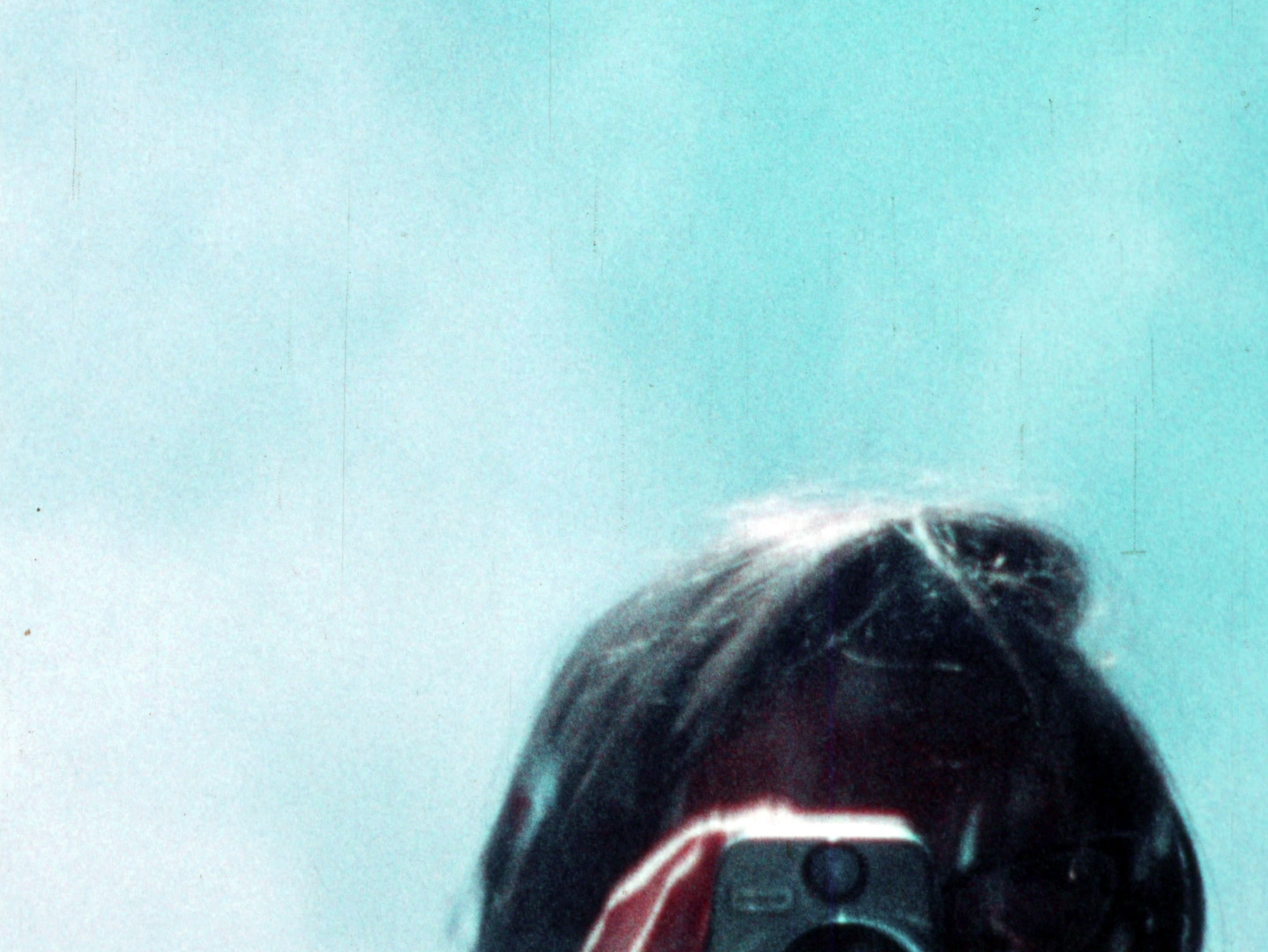
"Contribution to Light is all about my excitement and thrill at seeing reflected and refracted light. I shot the edges of pieces of found broken glass that streamed light rays broken into myriad colors. I saw, years later, a shared aesthetic in Stan Brakhage’s study of a crystal ashtray." — Barbara Hammer
In these three exercises, Acconci plays with gender, manipulating and altering his own body parts to suggest sexual transformations. For example, he burns the hair from his chest with a candle, then attempts to create the illusion of having breasts.

Cooking with the Erotic plays off of Audre Lorde’s seminal speech “The Uses of the Erotic: The Erotic as Power” (1978) as a point of departure for an imaginary cooking show starring Harris-Babou and her mother. Framing visceral, messy, food scenes with studio lighting and HD video, the work asks questions about the relationship between intimacy and consumption.
General Idea's mock documentary comprises a constellation of images and iconography that construct an "archaeology" of media and culture via a fictional museum. Cornucopia interrogates the process by which objects become history, are preserved or left in ruin, and the architectures of the private and public domains. The "documentary" acts as a kind of time capsule, and the "cornucopia" strips meaning and produces objects, abstracting the familiar and immortalizing it within the museum space.
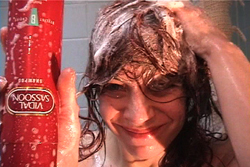
A snapshot of popular culture in the early aughts, Coven Services mixes vignettes of Bag in multiple guises—a spokeswoman for Haliburton, Chase Bank, AOL Time Warner, Bechtel Corporation and other brands—with footage from Paris Hilton's infamous sex tape. In this disparaging look at the daily consumption of tangible and intangible products in a service economy, Bag brings the same pained smile to her promotions of laundry detergent, debit cards and the war in Iraq.