Search Results
Search Results
Title Results
Your search returned 870 Titles
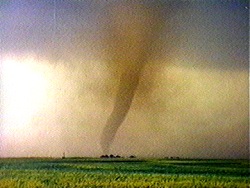
A line of satellite dishes stretches to the horizon as storm clouds loom overhead. A tornado funnels across a plains landscape at high speed. Through remarkable imagery of majestic natural phenomena, Storm and Stress evokes the beauty, terror and power of the tension between the forces of nature...

This collaborative work, featuring the late actor Ron Vawter, was created specifically for the 1992 Day Without Art/AIDS Awareness Day. Here Thornton addresses what she terms "the relationship between the medicalization of the body and the personal."
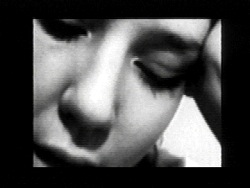
Made in collaboration with Margie Strosser, Strange Weather is a fascinating and unnerving view of drug addiction that fundamentally questions truth and representation. Ahwesh writes: "Strange Weather expands the job of the viewer, looking, but with an insecurity about what is being seen."
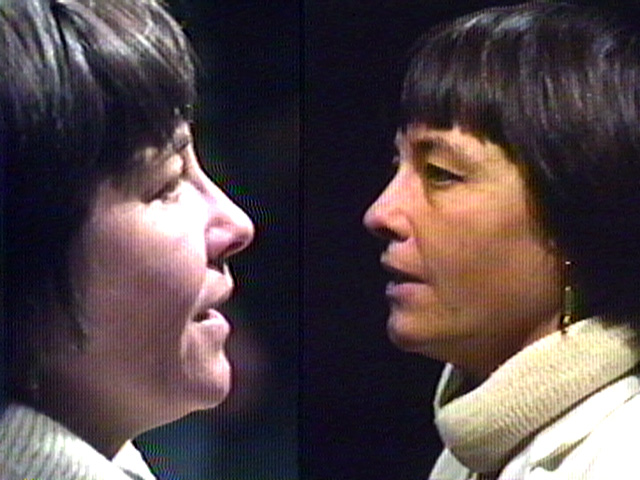
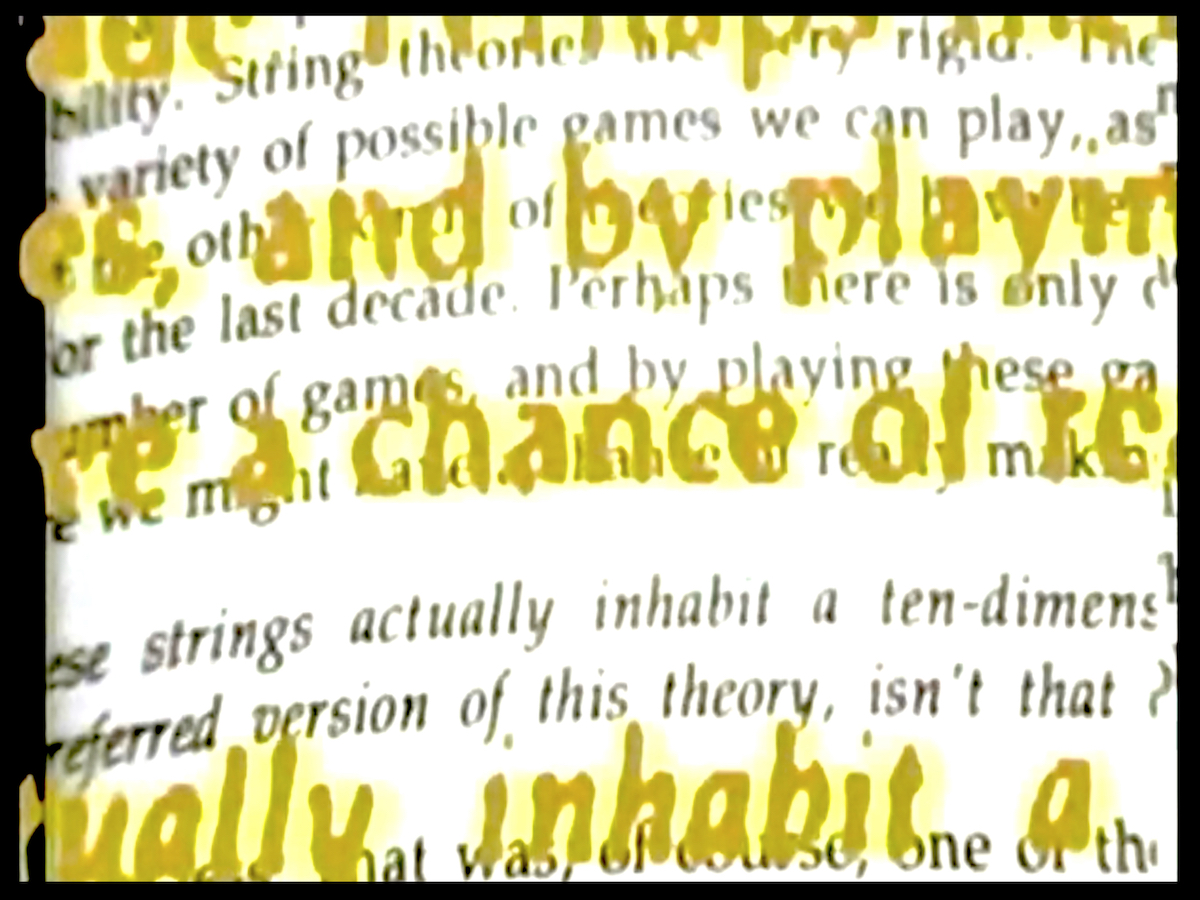
STRING CYCLES is an allegory for the transmission of knowledge in the Internet age, utilizing the ancient art form of string figures, popularly known as Cat's Cradles. It is a weave of traditional storytelling—from African folktales and the Homeric epics—to the visual poetics of Mallarmé. These...
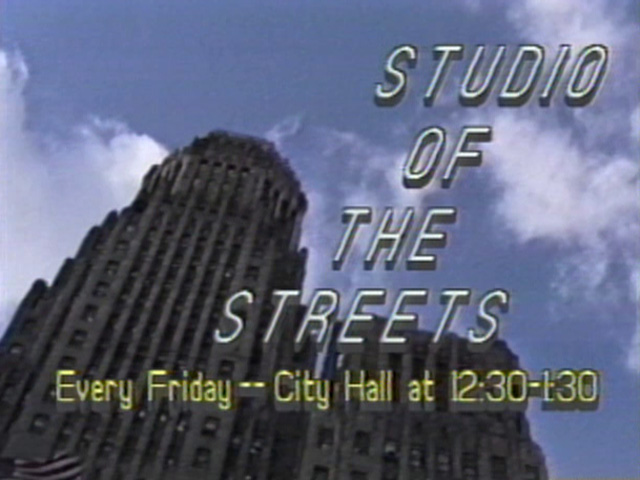
Studio of the Streets XXVI: Public Access Demonstration no. 27
Tony Conrad
1991, 20:31 min, color, sound
"Studio of the Streets is a weekly demonstration at Buffalo City Hall, in support of free speech expression through public access cable television. The demonstration lasts from 12:30 to 1:30 on Friday; the program is cablecast on the Buffalo public access channel every Tuesday at 7:30. Studio of the Streets is a direct response to Buffalo’s suspension of its public access operator last year, which left the city without a public access production facility. Our independently organized public access advocacy group, the First Amendment Network for Public Access Television, approved my initiative to set up our own outdoor public access studio and to do it right on the steps of Buffalo City Hall, where it has been open to anyone who appears there each Friday lunch hour—every Friday since May. Studio of the Streets, like most demonstrations (and artworks), is more important in its symbolic ramifications than it is as entertainment. There has been a lot of talk about multiculturalism, about empowering minorities, women, and those at society’s margins. However, if these persons are to be a part of the discourse, they must first get started by entering into it. Entering into participation in television production is a critical phase of the evolution of a multicultural society. So far, television’s entry level has been regulated effectively by corporations. Public access cable TV is the only noncorporate free speech expression on television. Studio of the Streets goes directly to people in the street, and tests (examines) their readiness to enter into television discourse. It is simply unique in its way of accomplishing the number one job of public access—which is to introduce new groups of people to doing television production. It is also comparatively very popular; it shows in at least one downtown bar, for instance, and runs in a full hour prime-time slot. Studio of the Streets runs without personnel credits, and as a collective expression, it contradicts the ego-centered conception of media art as an esoteric expression of the privileged self. Many artists have contributed during the production of thirty-two shows; the most consistent participation and leadership has come from Cathleen Steffan and myself, both of whom are seen in program XXVII. Studio of the Streets is such a departure from the ideas of quality and craft that prevail within the art world that it will probably not receive public support. Presently each show takes about 20 person-hours of time to make, and costs about $35, excluding the borrowed cameras. The particular show seen here begins with a young man who is eagerly awaiting the arrival of his bride at City Hall; he is getting married and joining the armed forces. Later we encounter still another such couple. Moreover, we hear a woman who works at City Hall describe this as a booming new phenomenon. And as always, everything we see and hear is fascinating—everything is peculiar and special—at the same time as it is all completely everyday." —Tony Conrad
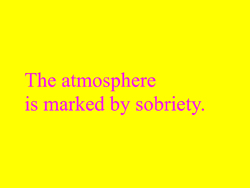
studio, time, isolation: reconstructions of soul and the sublime
Tony Cokes
2011, 9:36 min, color, sound, HD video
Writes Cokes, "A recent direction in my research interrogates the artist's studio, what happens there, how those practices are represented, what they imply in wider social contexts (real estate speculation, alleged 'creative economies,') and why traditional images of artists and studios persist in a virtual contemporary landscape. This video deploys an excerpt from Tom Holert's essay 'Studio Time,' but I remove the references in the text to a specific work, Western Recording by Mathias Poledna. Thereby, I enable aspects of Holert's argument to function as a comparison and differentiation of the artist's studio with sites of musical, filmic, and televisual production."
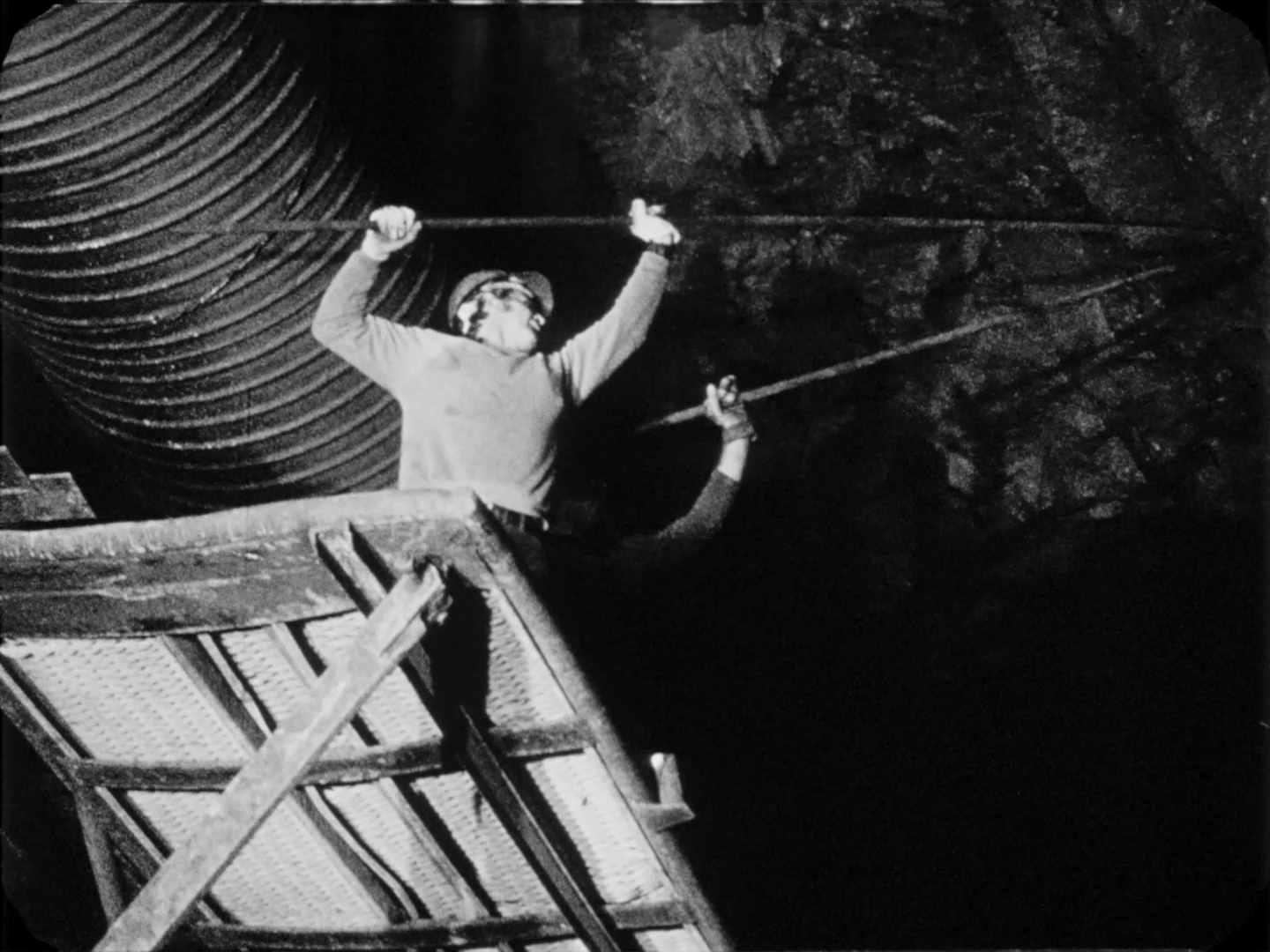
Substrait (Underground Dailies)
Gordon Matta-Clark
1976, 35:15 min, b&w and color, sound, 16 mm film on HD video
In this film, Matta-Clark explored and documented the underground spaces of New York City. The artist chose a range of sites (New York Central railroad tracks, Grand Central Station, 13th Street, Croton Aqueduct in Highgate, etc.) to show the variety and complexity of the underground spaces and tunnels in the metropolitan area.
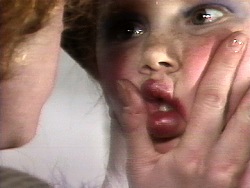
Condit writes: "Suburbs of Eden is a musical drama about the family dreams of Anne, Michael and Hanna. The disappointments of this contemporary family are woven into the story of Adam, Eve and the Snake in the Garden of Eden." Condit brings her unique style and startling vision to this re-telling...
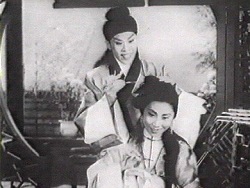
In Suet-Sin's Sisters, Yau Ching explores issues facing Chinese women in same-sex relationships. Interviews are intercut with archival footage of a classic Cantonese opera singer known for being a "mannish" woman.